

modern frosted glass
Understanding the 4% Foot Level A Guide to Accurate Measurements with a Ruler Precision in measurements is essential in various fields, from engineering and architecture to art and crafting. When working with a ruler, one common reference point that often arises is the 4% foot level. This term generally refers to a method of taking measurements that ensures accuracy, particularly when it comes to ensuring consistency across different scales or dimensions. In this article, we will explore the importance of the 4% foot level, how to measure effectively with a ruler, and share practical tips for achieving precision in your measurements. What is the 4% Foot Level? The concept of the 4% foot level is grounded in the idea of taking measurements from a standardized point. In practical terms, it often signifies that measurements should be made at a height that is representative or indicative of typical conditions. This is particularly relevant in fields such as geology, construction, and landscaping where elevation can significantly impact results. For example, when surveying land or assessing soil composition, measurements taken at a specific height (like 4% of the total foot or elevation) ensure that that data is reliable and reflects the general state of the area being examined. This standardization helps mitigate discrepancies that may arise due to variations in the measurement point's height or location. The Importance of Accurate Measurements Accurate measurements are fundamental across multiple disciplines. In engineering, even the slightest error can lead to structural failures or costly redesigns. In crafting, precise dimensions ensure that pieces fit together perfectly. The goal of achieving a 4% foot level is to help mitigate the risk of human error and variations in technique by adhering to a systematic approach to measurement. Moreover, in fields like real estate and landscaping, accurate measurements can affect everything from property appraisal to the geometry of outdoor spaces. A slight error in height or distance could drastically change the use or presentation of a space. Therefore, understanding how to attain and maintain the 4% foot level is crucial for professionals and hobbyists alike. How to Measure Accurately with a Ruler 4 foot level with ruler 1. Select the Right Ruler Depending on your project, using the right ruler is essential. For most construction projects, a standard 12 or 36-inch ruler works well. For fine detail work, a smaller, more precise ruler (like a caliper) may be necessary. 2. Positioning When measuring, ensure your ruler is placed flat against the surface you are measuring. This avoids potential errors due to angles or misalignment. 3. Consistent Point Always measure from the same point on the ruler (usually the zero mark). Avoid starting from arbitrary points as this can lead to inconsistent readings. 4. 4% Height Measurement If applicable, ensure that when measuring heights (for instance, in landscaping), you start at the 4% foot level for greater consistency. This means determining the baseline height and then measuring up from that point. 5. Double-Check Always measure twice or even thrice for assurance. This redundancy helps catch any potential mistakes, especially in intricate projects. 6. Use Additional Tools For larger measurements where a standard ruler is impractical, consider using measuring tapes, laser measurers, or digital calipers. These tools can provide more accurate and easier measurements for large distances. Conclusion The emphasis on maintaining a 4% foot level while measuring is an important practice that highlights the significance of standardization in measurement techniques. By applying appropriate methods and tools, individuals can ensure their work is precise and reliable. Whether you’re a professional in engineering or an enthusiast in crafting, understanding and implementing the concept of 4% foot level measurements can greatly improve the quality of your projects and outcomes. Ultimately, accurate measurements lay the foundation for successful endeavors, enabling us to create with confidence and precision.
about
modern frosted glass
Understanding Taper Gauge 1 15mm A Comprehensive Overview In various industries, precision measurement is critical for ensuring the quality and functionality of products. One such instrument that plays a significant role in achieving precise measurements is the taper gauge, specifically the Taper Gauge 1 15mm. This tool is widely used in fields such as manufacturing, engineering, and construction due to its unique design and functionality. What is a Taper Gauge? A taper gauge is a specialized measuring tool designed to determine the depth, angle, or taper of a surface. It is particularly beneficial for assessing the specifications of various components, enabling engineers and technicians to maintain consistent quality standards. The 1 15mm designation refers to the dimensions and taper angle of the gauge, indicating that it has a taper angle of 1 degree with a width of 15mm. Features and Specifications The Taper Gauge 1 15mm exhibits several key features that enhance its usability 1. Material and Durability Typically made from high-quality steel or other durable materials, taper gauges are designed to withstand wear and tear. This resilience ensures that they can provide accurate measurements over extended periods. 2. Precision The gauge allows users to measure tapers with great accuracy, which is crucial in applications where even minor discrepancies can lead to significant issues. 3. Portability The compact size of the Taper Gauge 1 15mm makes it easy to carry and use in various settings. This convenience is particularly advantageous for fieldwork, where quick and accurate measurements are essential. 4. Ease of Use Designed with user-friendliness in mind, taper gauges often come with clear markings and a straightforward design. This makes it easy for professionals to take measurements without extensive training. taper gauge 1 15mm Applications The Taper Gauge 1 15mm is utilized in numerous applications across different sectors 1. Manufacturing In the manufacturing industry, taper gauges are used to inspect the dimensions of machined parts. They help verify that components fit together correctly, ensuring the integrity of final products. 2. Construction Builders and contractors often use taper gauges when working on projects that require precise angles and measurements, such as framing walls or installing ramps. The gauge ensures that structures meet safety and design specifications. 3. Automotive and Aerospace In the automotive and aerospace sectors, precision is paramount. Taper gauges assist engineers in measuring the profiles of various components, ensuring that they meet stringent regulatory standards. 4. Woodworking Woodworkers rely on taper gauges to achieve accurate angles and fits in their projects. This attention to detail can greatly enhance the quality of woodwork, resulting in more aesthetically pleasing and functional pieces. Maintenance and Care To ensure the longevity and accuracy of the Taper Gauge 1 15mm, proper maintenance is essential. Users should regularly clean the gauge to remove dust and debris, which can interfere with measurements. Additionally, storing the gauge in a protective case can prevent damage when not in use. Regular calibration may also be necessary to maintain its precision, depending on the frequency of use and the tolerances required for specific applications. Conclusion The Taper Gauge 1 15mm is an invaluable tool in various industries, providing essential measurements that maintain quality and safety standards. Its robust construction, precision capabilities, and ease of use make it a preferred choice among professionals. By understanding its features and applications, users can leverage this tool effectively to enhance their work quality and efficiency. Whether you are in manufacturing, construction, or another field, incorporating a taper gauge into your toolkit can lead to significant improvements in your project outcomes.
-

High quality industrial productsagement

High quality industrial products
View Details -

Meet the diverse needs of customers

Meet the diverse needs of customers
View Details -

Strict quality control

Strict quality control
View Details -

Top raw materials

Top raw materials
View Details -

Trusted supplier

Trusted supplier
View Details
Our application

news and information
wood frame truss nail plate
Understanding Wood Frame Truss Nail Plates A Structural Perspective In the realm of modern construct
using bore gauge
An Essential Guide to Using Bore Gauges Bore gauges are indispensable tools in machining and manufac
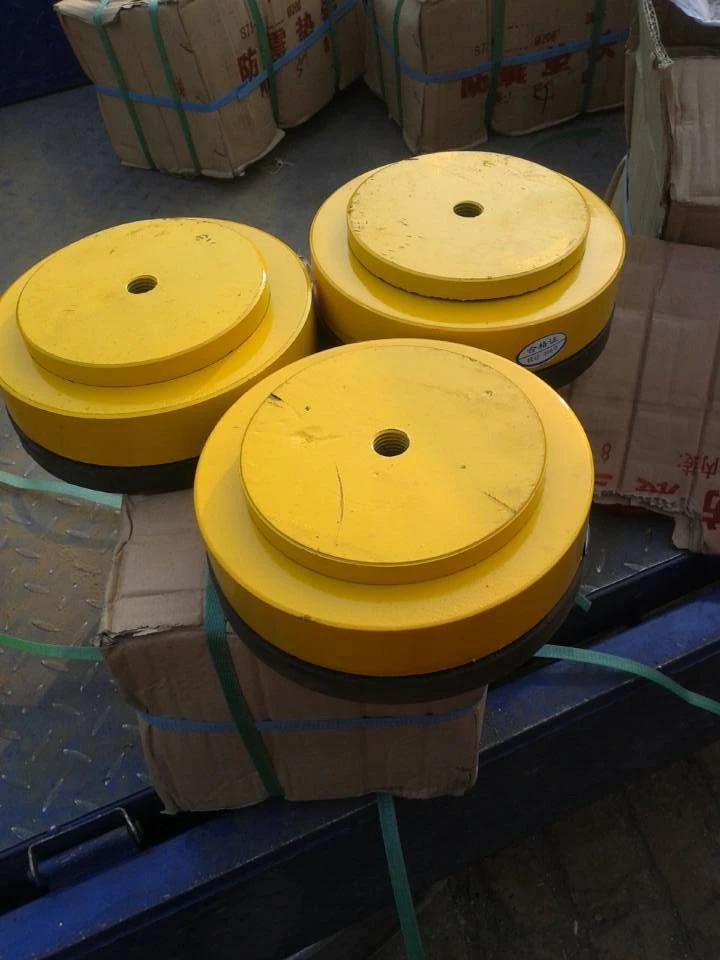
Vibration Reduction Pads
Anti-Vibration Pads A Revolution in Equipment Protection In the modern world, vibration is an inevi
 English